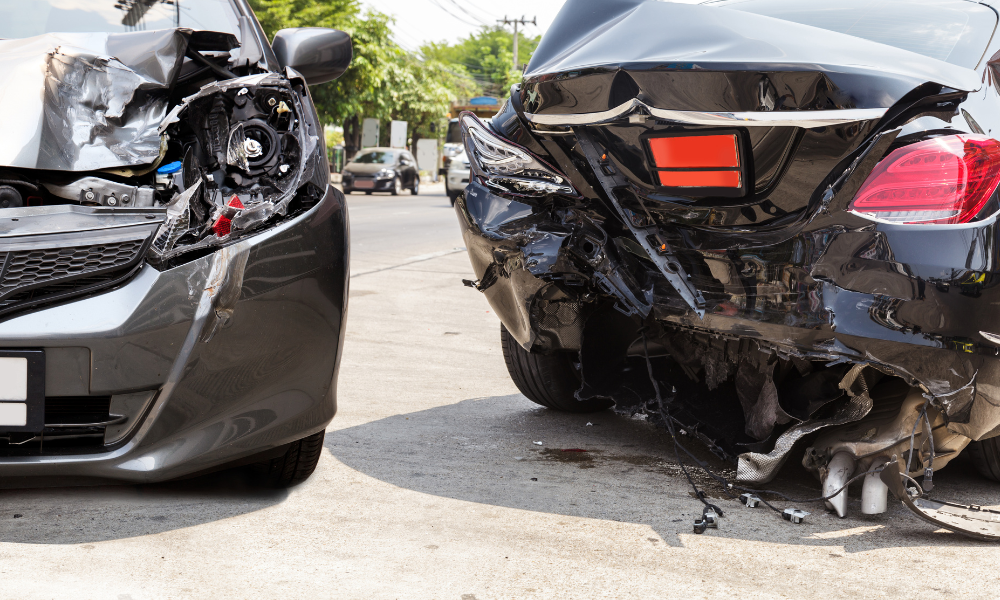
Car accidents in Tacoma happen for predictable reasons. Congested highways, active construction zones, distracted driving, speeding, and seasonal travel all contribute to frequent collisions across the city. Understanding where and why accidents occur helps drivers reduce risk and respond correctly when a crash happens.
This guide focuses on the most common causes of accidents in Tacoma and what drivers should check after an incident, even if damage appears minor.
Road Construction Accidents in Tacoma
Ongoing construction projects create some of the most dangerous driving conditions in Tacoma. Lane shifts, narrowed shoulders, uneven pavement, and sudden slowdowns increase the risk of rear-end and side-swipe collisions.
High-risk areas include:
- I-5 construction zones through Tacoma, where traffic frequently slows without warning
- The SR-16 interchange, where merging traffic and reduced visibility contribute to frequent accidents
Common crash damage from construction-zone accidents includes:
- cracked bumpers and grilles from stop-and-go rear-end impacts
- wheel and suspension issues from uneven pavement or debris
- sensor and camera problems from minor front-end contact
Construction-related crashes often happen at lower speeds but can still cause alignment issues and hidden damage that is not immediately obvious.
Distracted Driving: A Leading Cause of Tacoma Accidents
Distracted driving remains one of the most common causes of accidents in Tacoma. Cell phone use, navigation systems, and in-car screens pull attention away from changing traffic conditions, especially in heavy urban traffic.
Even a brief distraction can result in rear-end collisions at stoplights or in congested corridors.
Common crash damage from distracted-driving accidents includes:
- bumper and trunk damage from rear-end impacts
- hidden reinforcement and mounting damage behind the bumper cover
- issues with parking sensors, blind-spot monitoring, or rear cameras
These impacts often appear minor but can create safety issues and expensive repairs once the vehicle is inspected properly.
Speeding and Sudden Traffic Changes
Speeding significantly increases both the likelihood and severity of accidents in Tacoma. This is especially true on highways and arterial roads where traffic patterns change quickly.
Common speeding-related crash areas include:
- I-5 during peak commute hours
- High-congestion areas like Tacoma Mall Blvd, Pacific Avenue, and the Steele Street merge where stop-and-go traffic increases rear-end collisions
Common crash damage from speeding-related accidents includes:
- front-end damage from harder braking and impacts
- structural damage that may not be visible from the outside
- wheel alignment problems from curb strikes during evasive maneuvers
When speeding is combined with sudden slowdowns, even experienced drivers may not have enough time to stop safely.
Summer Travel and Road Trip Accidents
During summer months, Tacoma sees an increase in road trip traffic and unfamiliar drivers. Heavier traffic volumes, longer drives, and driver fatigue all contribute to higher accident rates.
Summer collisions often occur:
- Near freeway on-ramps and off-ramps
- At busy Tacoma intersections during peak travel hours
Common crash damage from summer road trip accidents includes:
- front bumper and headlight damage from sudden slowdowns
- side-swipe damage from tight merges
- suspension and alignment issues from shoulder or curb contact
- towing-related accidents, including jackknife damage or trailer side-swipes during merges
Pre-trip vehicle checks help reduce breakdowns, but they cannot prevent all accidents. After a road trip collision, it is important to have your vehicle inspected before resuming long-distance driving.
What to Check After an Accident in Tacoma
After any collision, even one that seems minor, drivers should:
- Document visible damage
- Exchange information and report the incident as required
- Avoid assuming the vehicle is safe to drive
- Have the vehicle inspected for alignment, suspension, and hidden damage
Many Tacoma accidents involve low-speed impacts that still affect steering, braking, or safety systems.
If the vehicle pulls to one side, the steering wheel is off-center, or warning lights appear on the dash, those are signs the car should be inspected as soon as possible.
When to Get a Collision Inspection
If your vehicle was involved in an accident in Tacoma, a professional inspection helps identify damage that may not be visible. This is especially important after rear-end collisions, construction zone impacts, or distracted driving accidents.
A proper inspection helps ensure your vehicle is safe and supports accurate insurance documentation.
If you need help after an accident, our team can evaluate damage, explain repair options clearly, and help you understand what to expect through the process.
Frequently Asked Questions
What are the most common types of accidents in Tacoma?
Rear-end collisions, construction-zone impacts, and intersection crashes are some of the most common accidents in Tacoma.
Should I get an inspection even if the damage looks minor?
Yes. Bumper and low-speed collisions often involve hidden damage, alignment issues, and sensor problems that are not visible at first glance.
Can an accident cause alignment issues without hitting a curb?
Yes. Even minor impacts can knock suspension components out of spec, especially when a vehicle is turned during impact.
What to Do After a Tacoma Car Accident
Don’t guess about hidden damage. If you’ve been rear-ended on I-5 or clipped in a construction zone, bring it to us.